What CIK-FIA homologation means when you buy a kart engine
5 November 2026 · Gear Racing
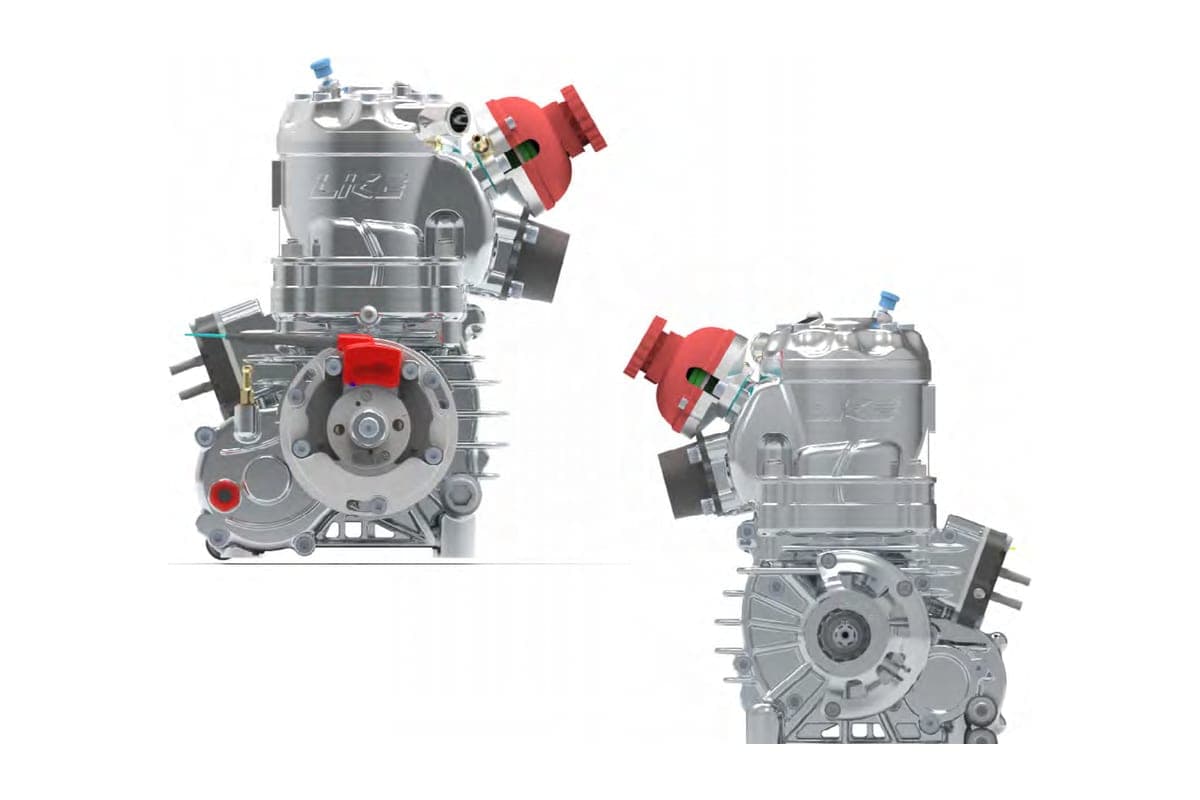
Before you pay for a kart engine, it helps to know whether CIK-FIA homologation matters for the racing you plan to do. The term appears in almost every engine listing, but it is often unclear what it covers. This article explains what a homologated kart engine actually is, which classes in Estonia and Finland require one, and how to check an engine's status before you buy, so the engine you choose is actually eligible for your class.
What homologation actually certifies
CIK-FIA is the karting commission of the FIA, the international governing body of motorsport, and it sets the technical rules for international karting. Homologation means that an engine model has been inspected and approved by CIK-FIA against a published technical regulation. The approved specification is recorded in a document called a homologation fiche, which fixes the engine's key dimensions and parts. At scrutineering, officials can compare your engine against the fiche, and deviations can lead to exclusion from the results.
Two points are often misunderstood. First, homologation is granted per engine model and per category, for example OK, OK-Junior or KZ, so it is not a general stamp of quality. Second, homologation confirms rule compliance, not performance. A non-homologated engine can be more powerful than a homologated one. Homologation also covers the engine only; the chassis and some components are homologated separately, so a homologated engine on a non-homologated chassis does not make the whole kart class legal.
Homologation periods and used engines
Homologation is granted for a fixed period, typically several years. When that period ends, a new homologation cycle starts, and engines from an expired cycle can lose eligibility in some classes. This is the single most important detail when you buy a used engine, because an engine that was once homologated may no longer be accepted in the class you want to enter.
When you look at a used homologated kart engine, it is worth asking the seller a few questions before agreeing on a price:
- Which homologation cycle does the engine belong to, and is that cycle still accepted in your class?
- Does the engine still match its fiche, or have non-standard parts been fitted over the years?
- Is there documentation that supports the engine's identity and history?
Homologation status can also affect resale value, because an engine that is eligible in regulated classes has a wider pool of potential buyers when you sell it later.
Which classes require it
Where homologation matters depends entirely on the rules of the series you plan to enter, so the class regulations are always the first thing to read.
International and national racing
National federations in Estonia and Finland often base their class rules on CIK-FIA homologation. Classes built around OK, OK-Junior and KZ engines usually require an engine that is homologated for that category and within a valid cycle. If you are still deciding between the junior and senior direct drive classes, the article on the difference between OKJ, OKN and OKN-J covers how those classes are separated. For gearbox karts, KZ2 explained describes what makes that class different.
Club and hobby classes
National and club classes can also allow non-homologated engines. Many open club classes and training formats accept a wider range of engines, so a homologated engine is not automatically required for every form of organised karting. Check the regulations of the specific series before you decide.
When non-homologated engines make sense
A non-homologated engine can be a perfectly reasonable choice in the right situation. For training days, rental use or open club classes that do not require homologation, it can do everything you need, often at a lower cost than a current homologated engine. What it cannot do is enter a class where homologation is required, and no amount of preparation changes that.
There is also a practical consequence for maintenance. If you race in a homologation-controlled class, spare parts must match the homologated specification, which limits the parts you can legally fit. In an open class, that restriction does not apply, so you have more freedom in how you maintain and modify the engine. Think about where you want to race over the next few seasons, not only this year. If there is any realistic chance you will move into a regulated class, a homologated engine keeps that door open, while a non-homologated engine would need to be replaced at that point.
Checking homologation before buying
Checking an engine's homologation status does not take long if you know where to look. CIK-FIA publishes homologation information on the official karting site at fiakarting.com, which is the primary source for current regulations and homologation lists. Beyond that, a sensible checklist looks like this:
- Confirm the exact engine model and the category it is homologated for.
- Check whether the homologation cycle is still valid for your intended class.
- Read the class regulations of your national federation or series, since they decide what is accepted locally.
- Ask the seller for the fiche or the homologation number so you can verify the details yourself.
LKE manufactures CIK-FIA homologated engines, and Gear OÜ imports LKE engines and Lenzokart chassis to Estonia and Finland. You can see the full range of LKE engines on lenzokart.ee, where sales work on an enquiry basis: you send a question and get an answer with price and delivery time.
If you are unsure whether a specific engine fits the class you have in mind, send a short enquiry through the contact page and describe where you plan to race. We are happy to help you work out which engine makes sense for your situation.