What is the difference between OKJ, OKN and OKN-J kart engines
19 October 2026 · Gear Racing
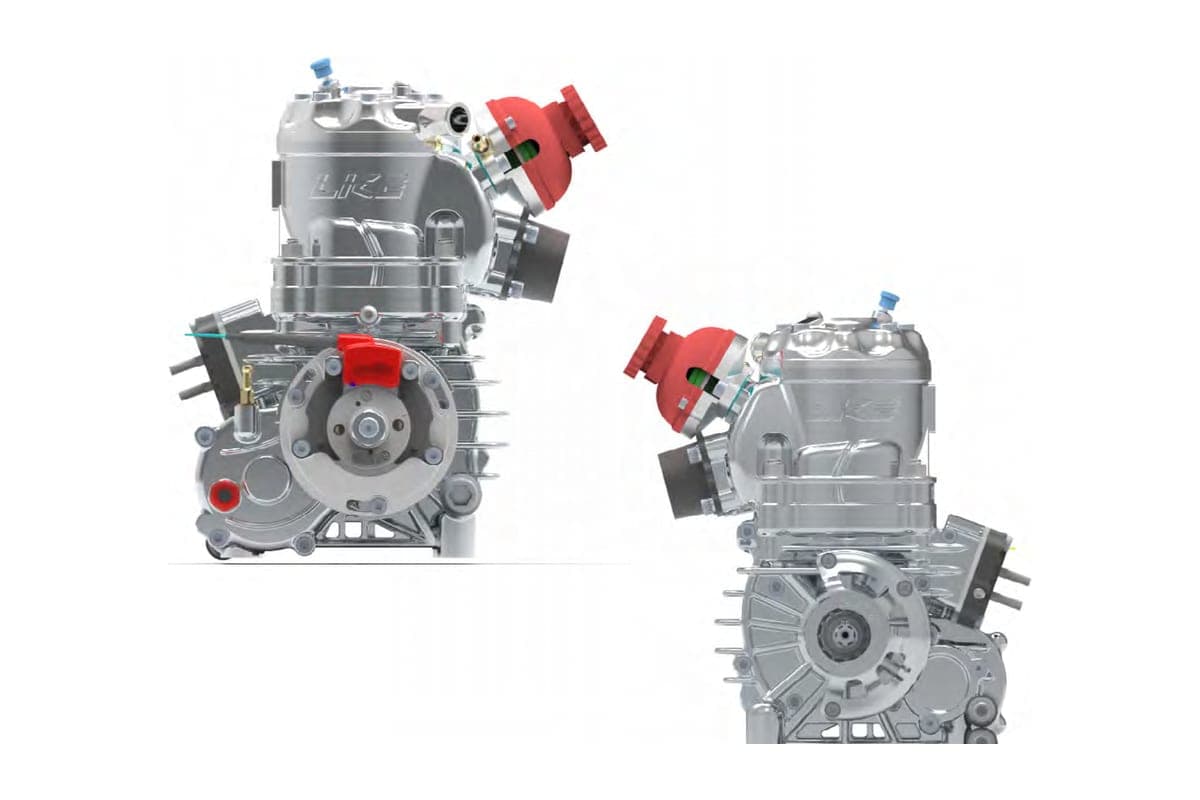
Here you get a clear picture of how the OKJ engine, the OKN engine and the OKN-J differ in technical rules and in the drivers they are meant for. All three names come from the FIA Karting OK engine family, and they appear side by side in race calendars and price lists. If you are a parent of a young driver or you are moving up from the Mini classes yourself, knowing the differences helps you choose a junior kart engine that you can actually race in your series.
Where these engines fit
All OK family engines are single cylinder, 125 cc two-stroke engines without a gearbox. The power goes through direct drive to the rear axle, which is a defining feature of the whole family. Within that family, the OK engine is the international senior class and the OKJ is the international junior class. OKN and OKN-J are newer national class versions that the FIA introduced to make the OK platform cheaper and more accessible for national championships. You can find the official class structure and technical framework on the FIA Karting website. LKE manufactures homologated engines for the OK family, and you can see the range of LKE engines that Gear Racing imports to Estonia and Finland. The important point at this stage is simple: the three names stand for three separate specifications, not three labels on the same engine.
OKJ: the international junior class
The OKJ is the engine for international junior racing, typically for drivers from around 12 years of age. Technically, the OK and OKJ are largely the same base engine. The junior version has a lower rev limit and a restricted exhaust, which together reduce peak power compared to the senior OK engine. This keeps the step from the Mini classes manageable while the driver learns to handle a faster kart. Like the other international OK classes, the OKJ has no clutch, which affects starting procedures and means the driver and mechanic need to learn the push start routine. A common misconception is that a junior engine can simply be derestricted into a senior engine at home. In reality, changing class legality involves homologated parts, and the result must match the technical regulations of the class, so it is never just a matter of removing a restrictor.
OKN and OKN-J explained
The national versions take the same platform in a more practical direction. They were designed so that clubs and national series could use OK technology without the cost structure of international racing.
OKN for senior drivers
The OKN class uses a simpler specification than the international OK engines. One example is the fixed ignition timing approach, and the changes as a whole aim at longer rebuild intervals and lower running costs. The concept was created to make everyday use easier for clubs and national championships, so a driver or a small team can run a full season without the service rhythm of an international programme. For a senior driver racing at national level, the OKN offers the character of the OK platform with less workshop time.
OKN-J for junior drivers
The OKN-J is the junior version of the OKN. It is aimed at the same age group as the OKJ, but for national level racing. Despite serving the same drivers, OKJ and OKN-J are separate specifications with different technical rules, so they are not the same engine with a different sticker.
Technical differences in practice
When you put the three side by side, the differences come down to the rulebook each engine is built for rather than the basic architecture. The shared base is identical: 125 cc, two-stroke, no gearbox, direct drive. The practical distinctions look like this:
- The OKJ runs the international OK base engine with a lower rev limit and a restricted exhaust that reduce peak power.
- The OKN uses a simplified national specification, including fixed ignition timing.
- The OKN-J applies that same national concept to the junior age group.
- The national versions are designed for longer rebuild intervals and lower running costs than the international classes.
It is worth adding that more power is not automatically the better choice for a beginner. Junior and national classes exist precisely so that driving skill develops before the power increases. A driver who learns clean lines on a junior kart engine usually makes faster progress than one who gets too much power too early.
Choose by series, not power
The engine itself does not decide where you can race. Which class a driver can enter depends on the national sporting regulations and the series organiser, and an engine homologated for one class may not be eligible in another. That is why the choice should start from the race calendar, not from the spec sheet. Before you buy, it can help to answer a few questions:
- Which OK classes does your national series actually run next season?
- How long is the homologation of the engine you are considering valid?
- How is the availability of spare parts for that specification in your region?
- Where does the driver plan to race after the junior years, nationally or internationally?
Parts availability and the homologation period are practical factors that affect the total cost over several seasons, not just the purchase price. If your child is still in the Mini classes and the OK family is the next step, the article how to choose a kart engine for your child covers the earlier stages of that decision.
If you are unsure which specification fits your series, send a short message through the contact and enquiries page. You will get an answer with the price and delivery time for the engine that matches your plans.