How to run in a new kart engine
2 November 2026 · Gear Racing
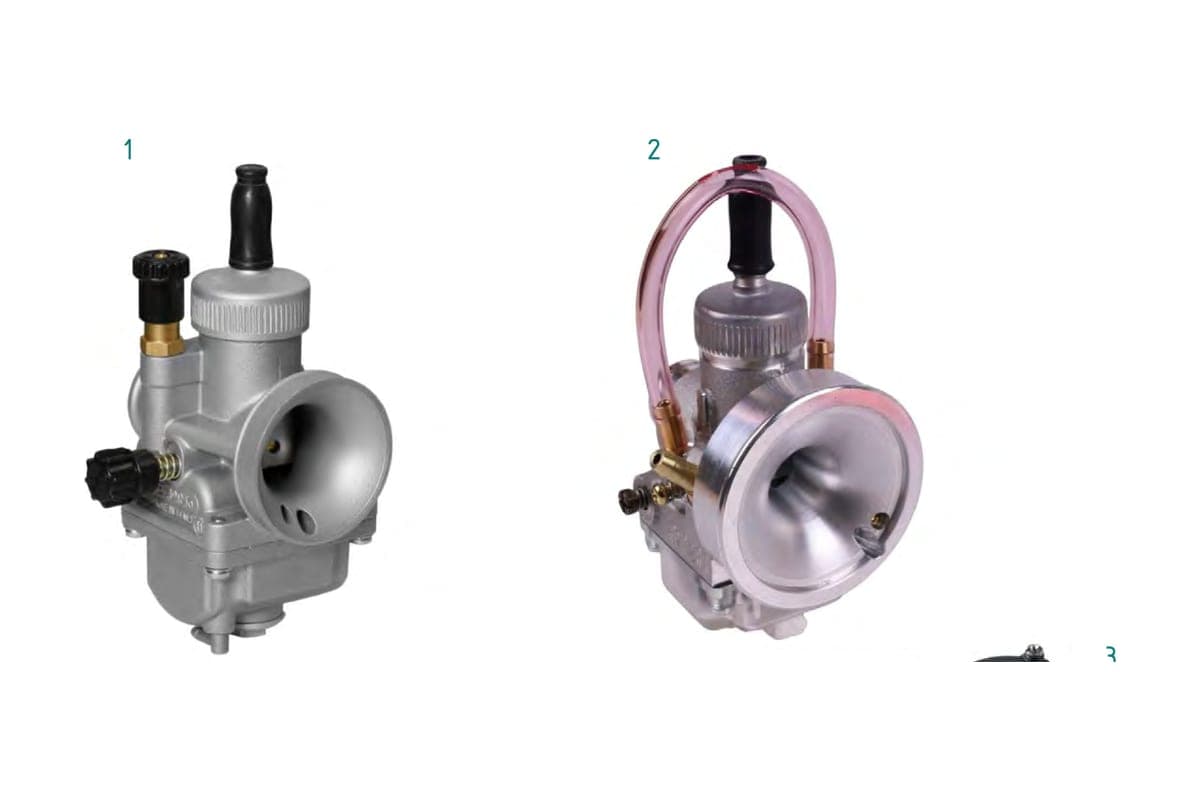
A careful first run in protects the internals of a new two stroke engine and lays the foundation for consistent performance over its whole life. If you have just bought a new engine and are unsure how long and how gently to run it before opening the throttle fully, this article walks you through a practical kart engine break in from the first start to the checks afterwards. The process is simpler than many drivers fear, and it does not require special tools or a test bench.
Why a run in matters
The main purpose of a run in is mechanical. During the first running hours the piston rings seat against the cylinder wall, and the bearings, gears and clutch bed in under real load. Until the rings have seated, the seal between piston and cylinder is not complete, which means slightly lower compression than the engine will have later. A careful run in lets these surfaces mate gradually instead of being forced together under full load and high heat.
A common belief is that an engine from a well known manufacturer does not need a run in because it was tested at the factory. Factory testing confirms the engine works, but it does not replace ring seating under real track load. Another misconception is that a run in only matters for the piston and cylinder. The crankshaft bearings, the clutch and the gear drive also need their first heat and load cycles to settle. A rushed or skipped run in may not cause an immediate failure, but it can shorten engine life and cost you peak performance later.
Prepare before the first start
Before the first start, read the instructions that came with your engine. Manufacturers publish model specific run in guidance, and that guidance always takes priority over general advice, including this article. For LKE engines you can find manufacturer information on the LKE website, and if anything is unclear you can ask us directly.
Oil, mixture and jetting
Use the oil type and the mixing ratio the manufacturer specifies. The wrong oil or an incorrect ratio can cause problems regardless of how careful the run in itself is. During the run in it is also common to set the carburettor slightly richer than your normal setting. A slightly richer mixture gives extra lubrication and a safety margin against overheating while the surfaces are still mating.
A short checklist before the first start:
- fresh fuel mixed with the specified oil at the specified ratio
- carburettor set slightly richer than your usual setting
- a spark plug you can inspect after the run in
- cooling system filled and checked for leaks if your engine is water cooled
- chain, sprockets and chassis checked, so the new engine is not the only unknown on the kart
First sessions on track
Most two stroke kart engines are run in on the track, not on a bench. Let the engine warm up properly at the first start and before every session. It should reach its normal operating temperature before you apply any heavier load, so take the warm up seriously from the very first start of the day.
Once on track, vary the throttle opening instead of holding one steady rpm. Holding constant rpm for long periods can cause uneven ring seating. Accelerate with moderate throttle, lift, let the engine run with the throttle partly closed, and repeat. Do not baby the engine at very low rpm the whole time either. Very gentle running can glaze the cylinder, and a moderate, varying load does the job better than constant crawling.
A simple session pattern
- run a short session with varied throttle openings and moderate load
- come in and let the engine cool down before the next session
- increase the load step by step from session to session
- save full throttle running for the final part of the run in
- follow the duration the manufacturer gives for your model
Short sessions with cooling breaks are a common pattern because heat cycles help the components settle in a controlled way.
Checks after the run in
When the run in period is complete, a few simple checks confirm that everything went as it should. It is common practice to check or retorque the cylinder head after the run in, following the manufacturer's figures for your engine. Pull the spark plug and look at its colour to confirm the mixture is in the right range. If the plug colour and the general feel of the engine are good, you can move the carburettor gradually from the richer run in setting towards your normal setting, keeping an eye on temperatures as you go.
If a check turns up a part you want to replace, our article on how to read LKE spare part codes helps you order the right item the first time. Gear OÜ supplies LKE spare parts from Estonia and worldwide through lenzokart.ee on an enquiry basis. Smaller parts ship to parcel lockers in Estonia and Finland, and larger shipments go with DHL or FedEx.
If you are planning a new engine purchase or have questions about the run in procedure for a specific LKE model, send us a message through the contact and enquiries page and we will answer with the details for your engine.